Sophomoric #2: Agnostic Little Hobbitses
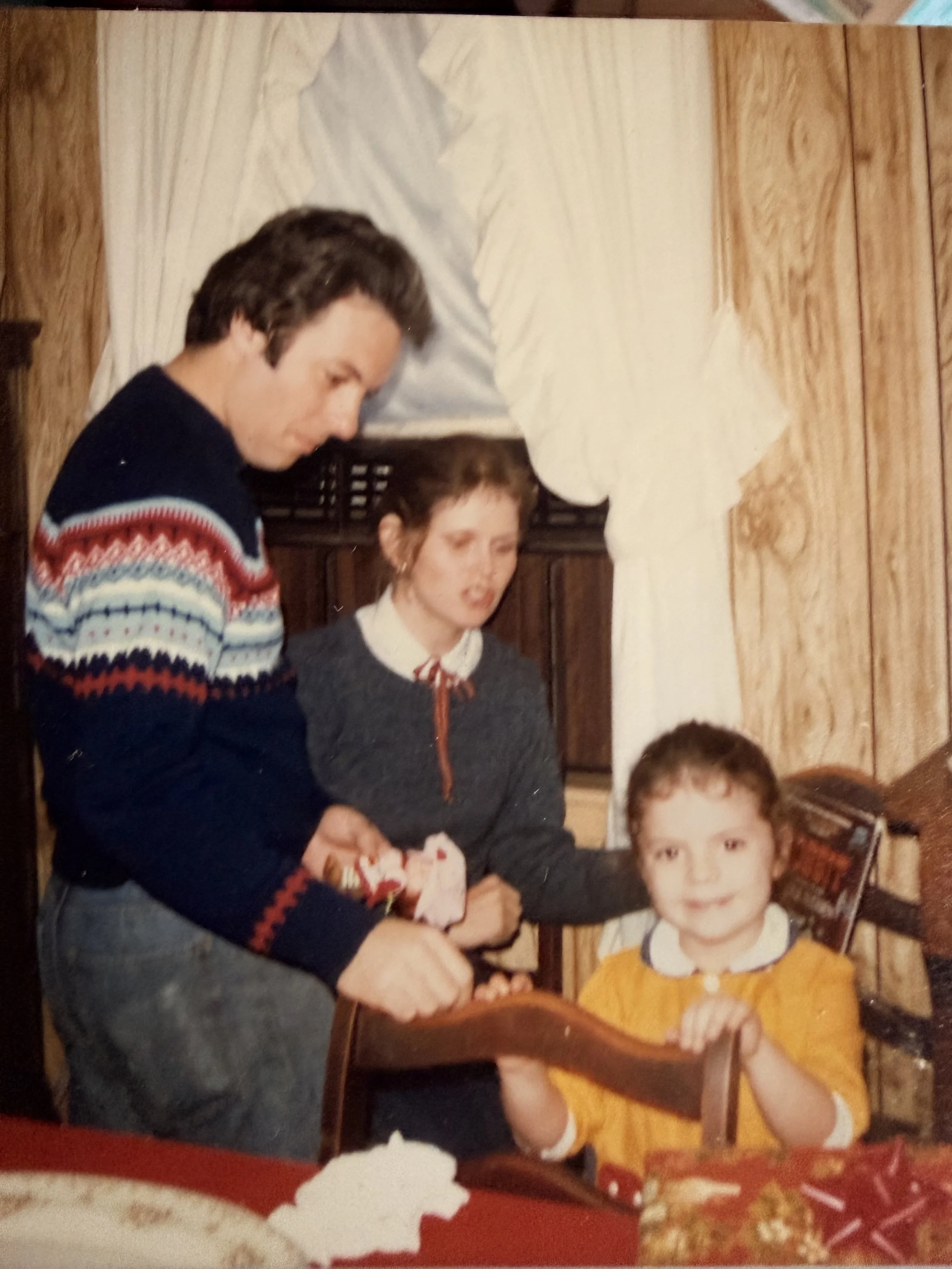
I grew up with a map of Middle Earth on my family’s living room wall. To be even more specific, I grew up in a house with a Pauline Baynes, limited-edition, framed, poster-sized map of Middle Earth on one wall and a Pauline Baynes, 1972 special-edition, framed, poster-sized map of Narnia on the wall facing it. To get to the living room or kitchen or my own bedroom, I had to walk between both those maps dozens of times a day.
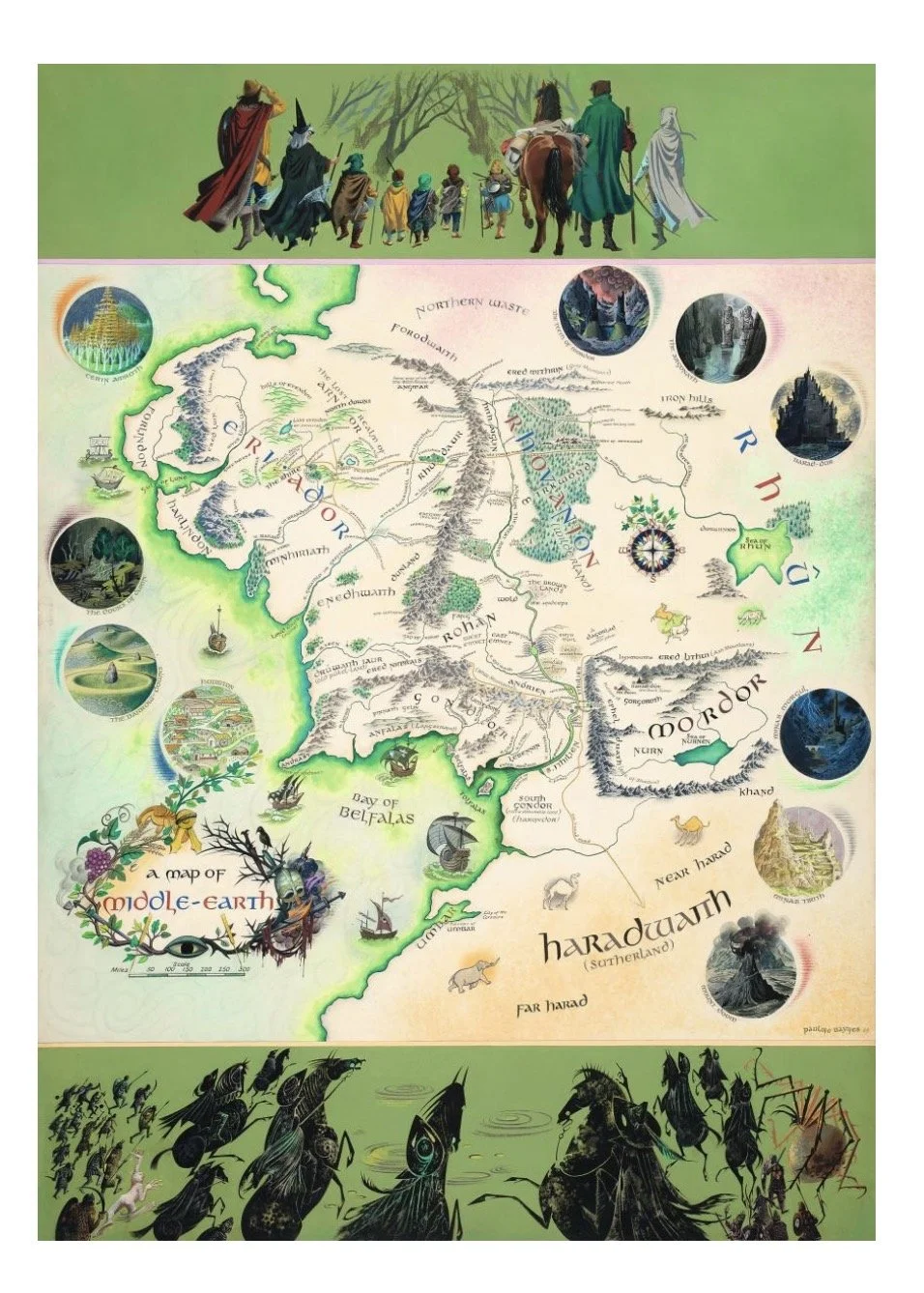
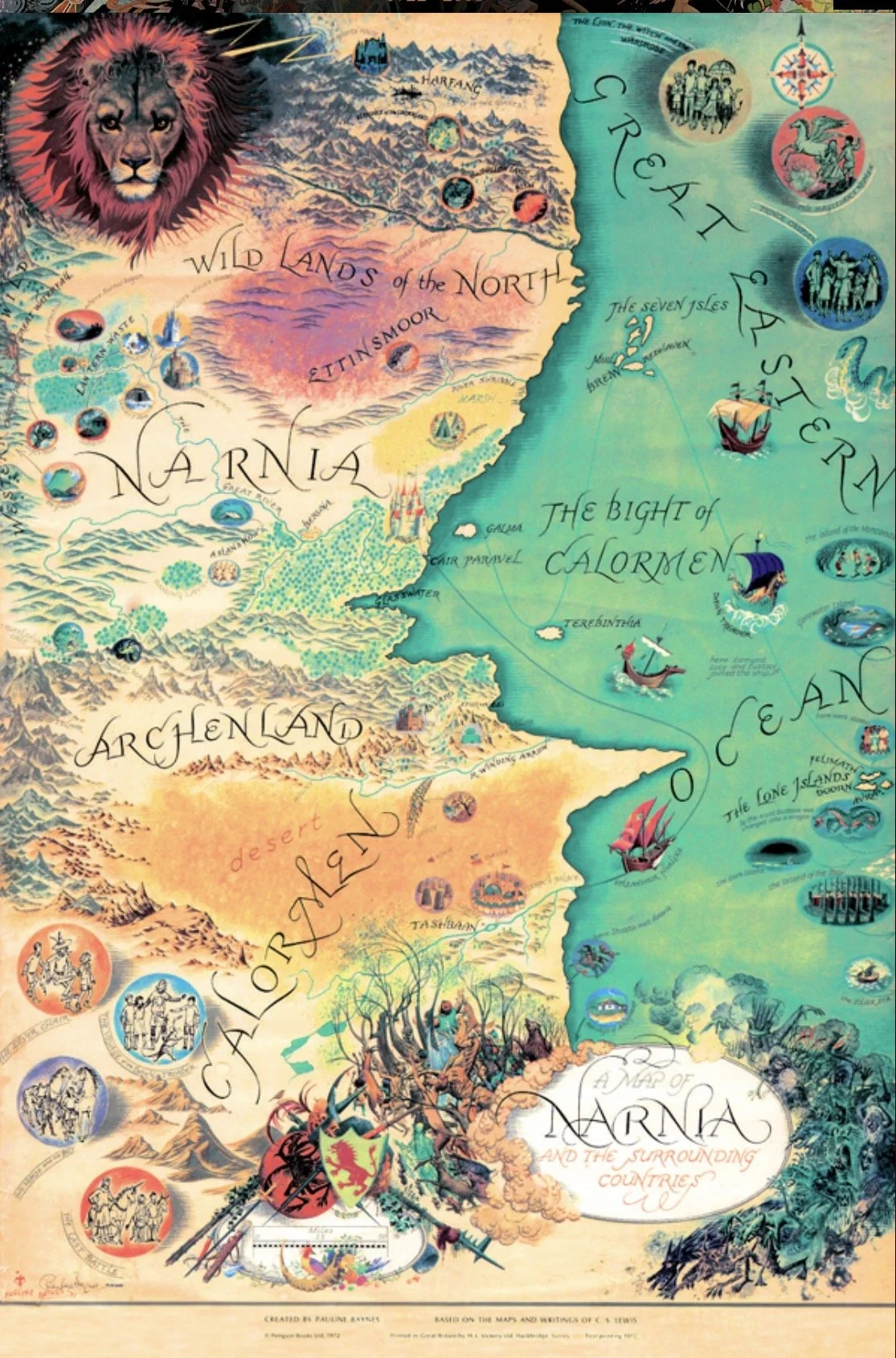
To some extent, the presence of these maps was the result of being the child of a Wheaton College alumnus (my dad). At Wheaton, there’s a collection of C.S. Lewis’s things on display, including his actual childhood wardrobe (the inspiration for the book), and the hagiography of the “Inklings” is writ large in emphasis and curriculum. But these maps were more the result of my mother’s childhood obsessions with these stories, and while her story isn’t mine to tell, suffice it to say, if anyone ever had reason to want to pop into a wardrobe and wake up somewhere else, she had many of those reasons.
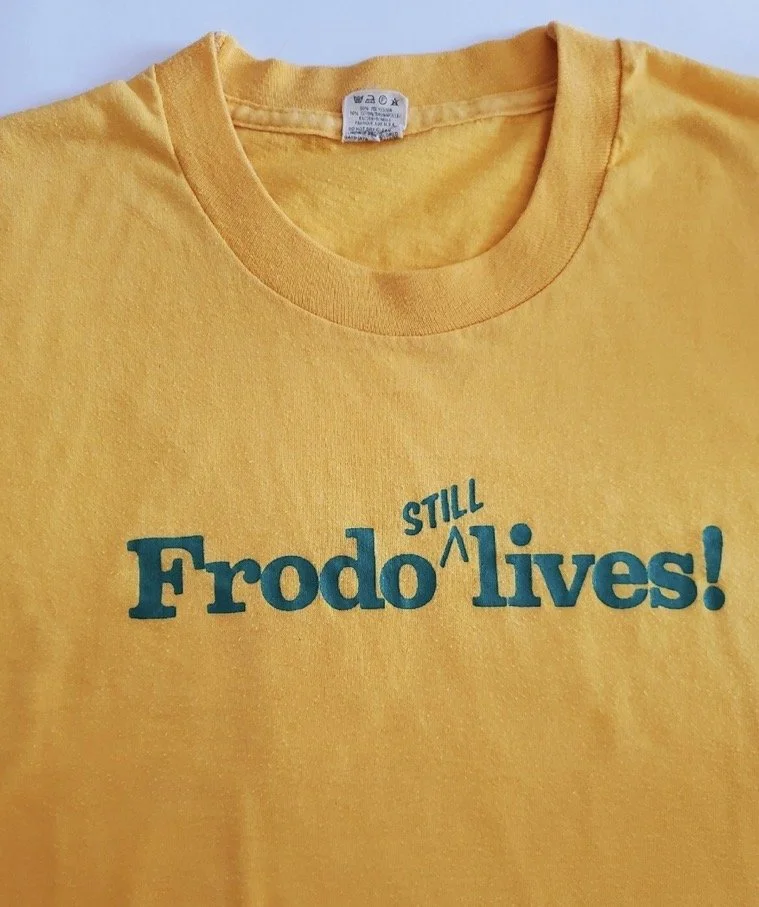
My mom won an essay contest when I was a child in response to the prompt “Why I Would Like to Live in Middle Earth.” Her prizes included even more limited-edition Tolkien goodies, including a “Frodo Still Lives” shirt that she wore until I was well out of grad school. As a borderline-obnoxious young reader who prided herself on things like having tackled Anna Karenina in 8th grade, I resisted my mother’s penchant for genre fic (in which category I lumped most of Tolkien and Lewis) and thumbed my nose at the sci-fi, fantasy, Regency Romance, British murder mystery novels my mom brought home from our public library multiple times a week.
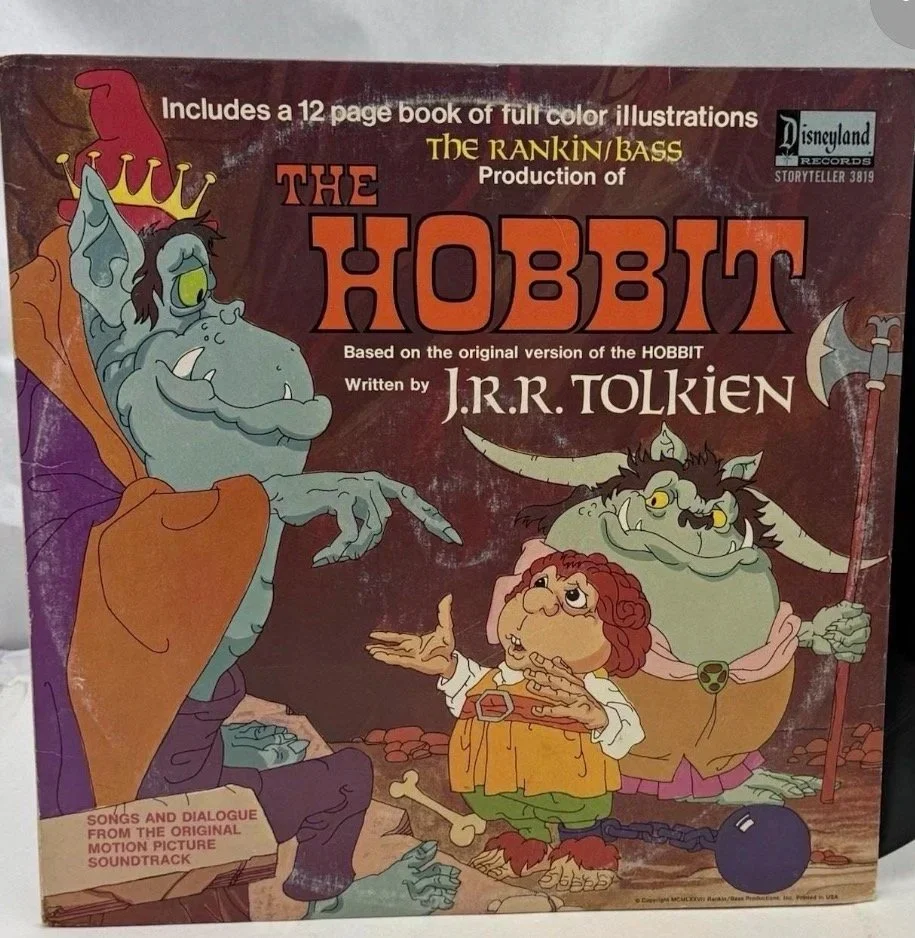
And while I loved the Chronicles of Narnia, which my mom read to me when I was young, and The Hobbit, the Rankin-Bass vinyl album of which I memorized (and can still recite–”Who are these miserable persons?!!!”), I otherwise mostly refused to engage with Inklings-lore.
Then I entered my twenties. And I was in a lonely marriage I couldn’t see my way out of. And grad school was incredibly hard, and I didn’t think I was ever going to finish my thesis. And I was waiting tables until late at night and waking early to teach composition classes that made me feel like a complete fraud. And I saw the first Peter Jackson trailer for Fellowship of the Ring, and it made me cry, and so I said, “Well, why not?”
Thus it was that I finally read all three LoTR books in the span of about four days. I barely slept.
The passage that hooked me, that I’ve returned to many times, and which I was very glad they kept (in some form) in the Jackson films, was Gandalf’s speech about despair, which in the book is delivered at the Council of Elrond. For context, trouble is brewing all over Middle Earth and the peoples of Middle Earth have come from far and wide to seek the wisdom of Elf elder Elrond about what they should do. It’s here that the titular “Fellowship” is formed.
When members of the Council express pessimism over whether such a quest is futile, Gandalf pushes back. He says, “[Is it] despair or folly? It is not despair, for despair is only for those who see the end beyond all doubt. We do not.”
Looking back on that time in my life, it seems obvious to me why this thought struck such a chord. For any more information about that time, I’ve literally written a lovely little pink book about it. You should probably read it if you haven’t already. :)
But it was the idea that we don’t and CAN’T know the ending that I needed to hear. If despair is understood as the unshakable conviction that nothing can or will change for the better, then that’s what I was feeling:
“I’m stuck in this lonely marriage.”
“I’ll never finish this thesis.”
“Nothing new or exciting or different will happen to me again.”
These are overly simplified rephrasings of the thoughts that I had then, of course, but that doesn’t make them inaccurate. It’s what depression sounds like no matter the circumstances, and objectively at that point, my circumstances didn’t inspire much hope.
What’s this have to do with writing a second book, which is ostensibly what this little series is about?
Good question.
Mainly it’s this: some days it’s hard to write a second book because your mind and body remember how hard it was to write the first one, and those memories feel like evidence. I’ve said a lot in many places about how long it took to write my first book, but rather delve into the nitty gritty of all that right now, I don’t think it’s a stretch for any of us who want to make art to summon up the memory of a day when nothing productive felt possible and the likelihood that a fresh idea would ever occur to you again seemed remote at best.
Lately, I’ve been thinking about the word agnostic. It’s more or less how I identify when it comes to faith these days, but honestly, I feel like that about a lot of things. I’m not a theologian or a linguist, but I know enough about Greek roots and theological history to know that agnostic doesn’t just mean “without knowledge” which is how it’s defined in most dictionaries (a = without, gnosis = knowledge).
Instead, it means “without special knowledge.” Or at least that’s how I understand it.
The Gnostics were a 1st-3rd century CE religious sect who constructed a dualistic faith practice rooted in the idea that the body was evil and the world of ideas was pure. They believed that in order to be saved, one had to acquire a secret, mystical, “esoteric” knowledge.
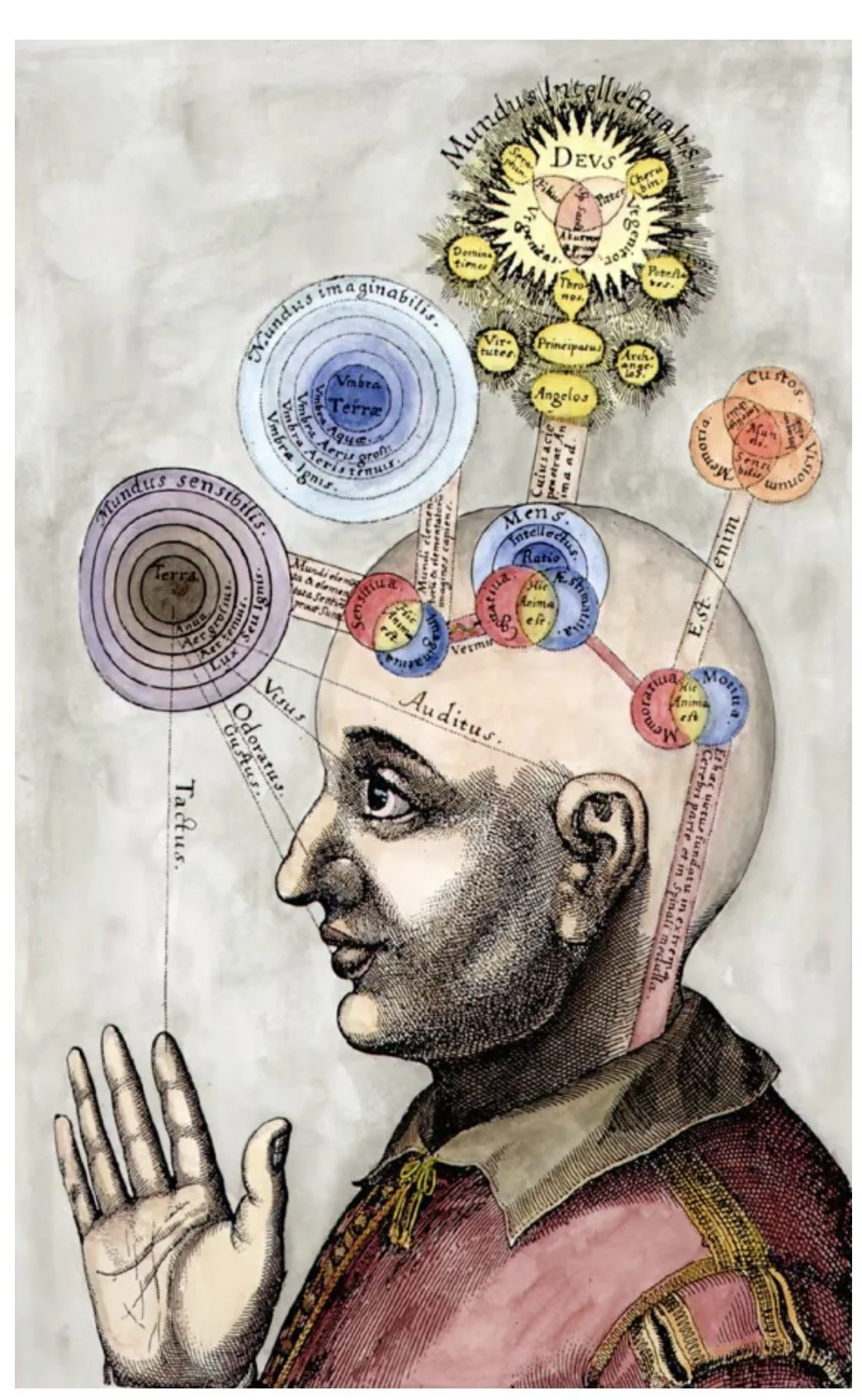
Gnostics and their view of the mind/body split
And in a sense, despair about a writing practice or life is its own predictive “special knowledge.” That “never” in “I’ll never write anything good again” is a faith claim. It’s an absolute. It’s a certainty beyond doubt.
While I fundamentally reject most absolute certainties and the dualities they enact, I still feel the pull of their safety, the way they tempt me to intentionally ground myself, to avoid the discomfort of sweaty and imperfect effort.
Hobbits are motivated by the love of comfort. Bilbo almost abandons his original quest because he forgot his handkerchief. And if you’ve ever seen me in person, you know I’m (as the kids might have said five years ago) “giving Hobbit”–a short, plump, large-eyed former brunette who would love to feed you and talk about food with you while we take a pleasant walk to somewhere there’s more food. I’m only missing the hairy feet. Rankin-Bass would have the easiest time in the world transmuting me into animation.
I reject gnosticism because it asks for absolute certainty but also because it asks me to abandon my body, which is another reason I think second books (and first ones) are often so hard. Books live in our brains (we think) and so we delve for them there and we don’t go to the bathroom when we need to and we ignore hunger or thirst or the need to move in order to eke out ten more minutes, two more hours, three more days with “butt in chair” (which is one of those hackneyed writing workshop phrases I’ve come to loathe, however inevitable it might be).
But what if books (first, second, or eightieth) also live in our bodies? What if, in order to keep going, we have to ultimately accept that we can’t know the endings of our writing stories? What if?
This past spring, my daughter was in Spongebob: The Musical, and because I never watched Spongebob, I had very little expectation that I’d enjoy it or find it interesting. But if you’ve seen the musical or are familiar with the basic plotline, you know there’s a lot more to it (also David Bowie wrote some of the songs! And Cyndi Lauper! John Legend! It’s a stacked lineup).
I wept during each of the five performances (like an embarrassing amount) when they got to one of the final songs. The gist is this: Bikini Bottom is threatened with a volcano that Spongebob and his friends might have found a way to circumvent but they don’t know yet if their plan worked. They can’t have that special knowledge yet. So the temptation to the safety of despair is strong.
But Spongebob interrupts that despair to say, “Volcanic Doomsday caught us unaware / but we’re still here and Mister Sun’s up there / Could be the best day ever / The best day ever.” Of course, because it’s a comedic children’s play, the denizens of Bikini Bottom aren’t destroyed and they are ultimately saved by the spunkiness and inventiveness of Spongebob and his friends.
Every night, when my daughter’s friend got to the line “we’re still here” and then “could be the best day ever,” the hungriest bits of my heart just sent out little light-starved photosynthetic shoots towards that reminder.
It could be.
It could be the best day ever.
Writing a first book required me to accept that fact and to find a way to live in the uncertainty of not knowing (either for hope or despair) that things would work out. And while I don’t know what will happen next, I’m confident writing a second book will require the same of me.
So I’m wishing all of us a little luck today and the ability to accept that we just can’t know the ending of our writing stories yet. Despair asks us to know that ending. We don’t.
Could be the best day ever, friends.
I’m hoping that it’s so.
